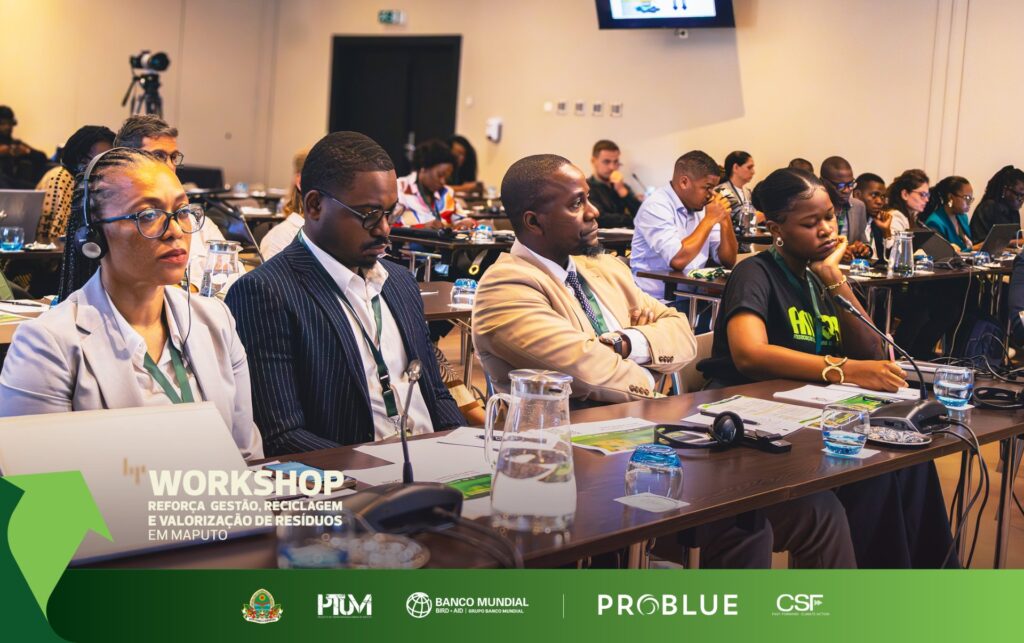
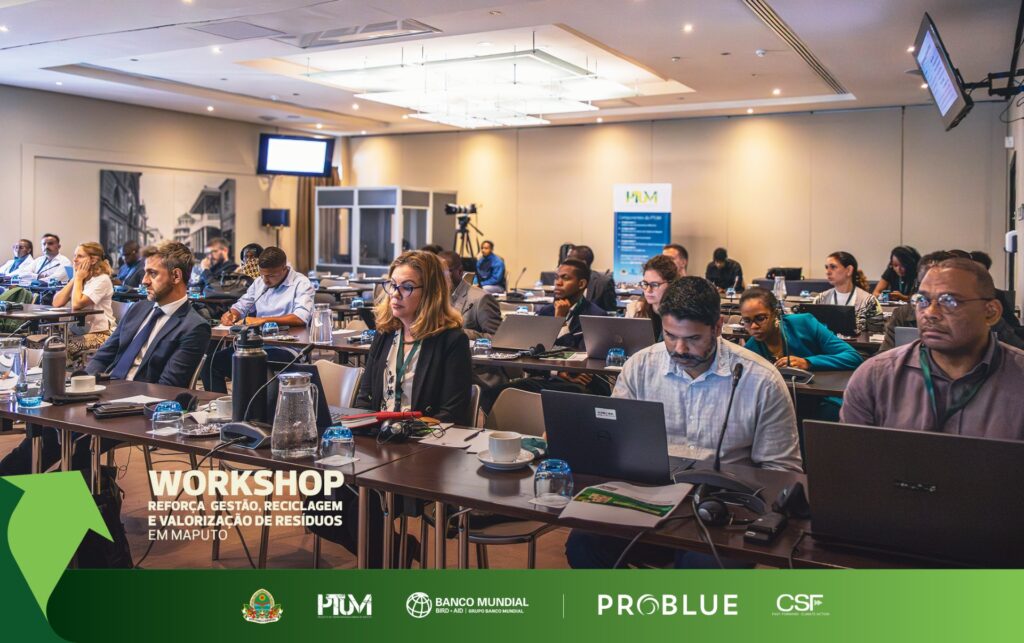
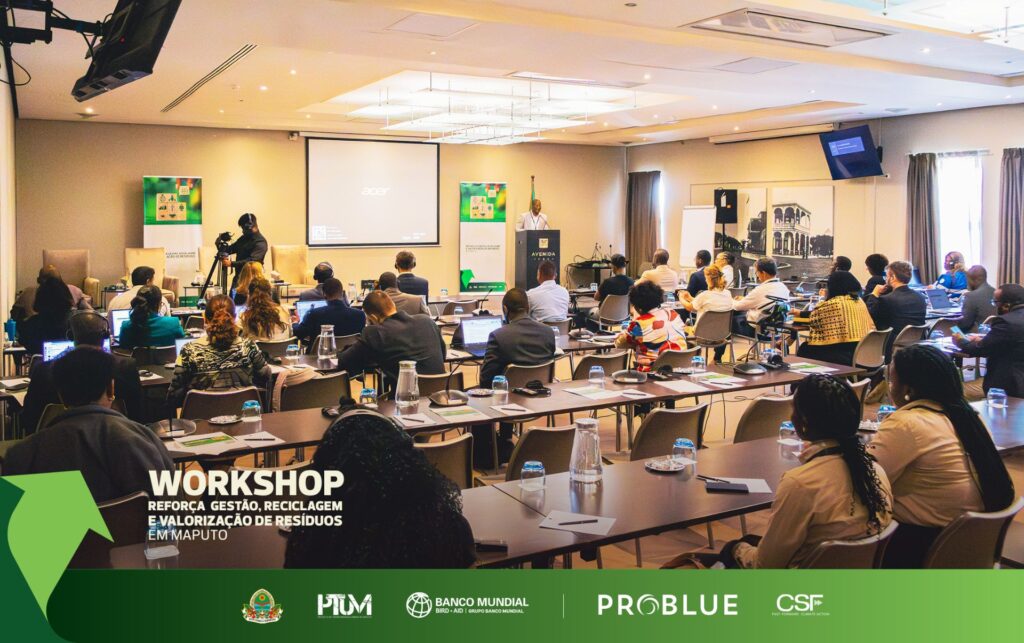
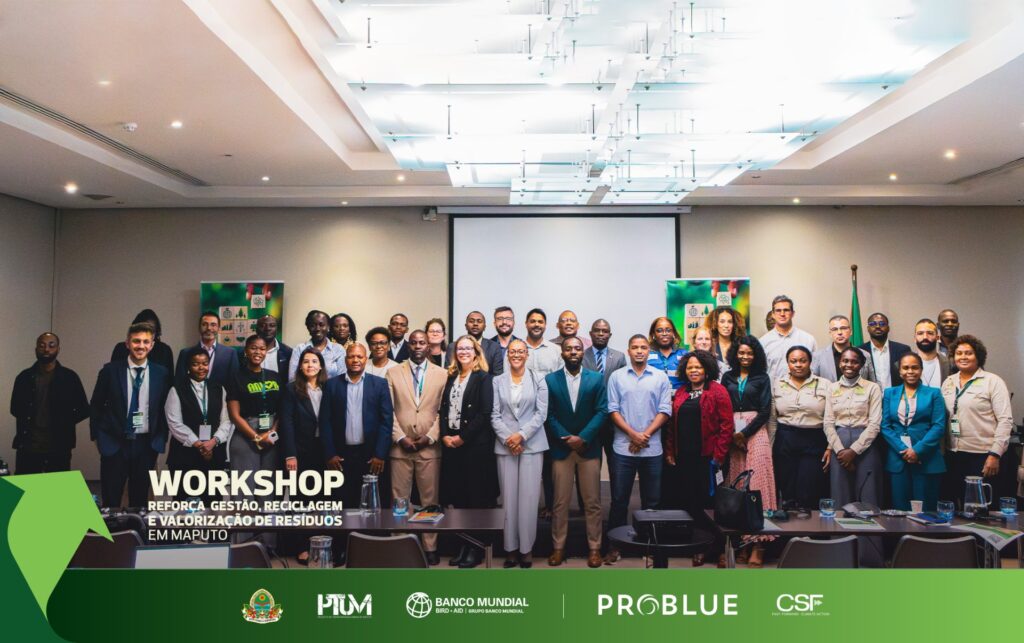
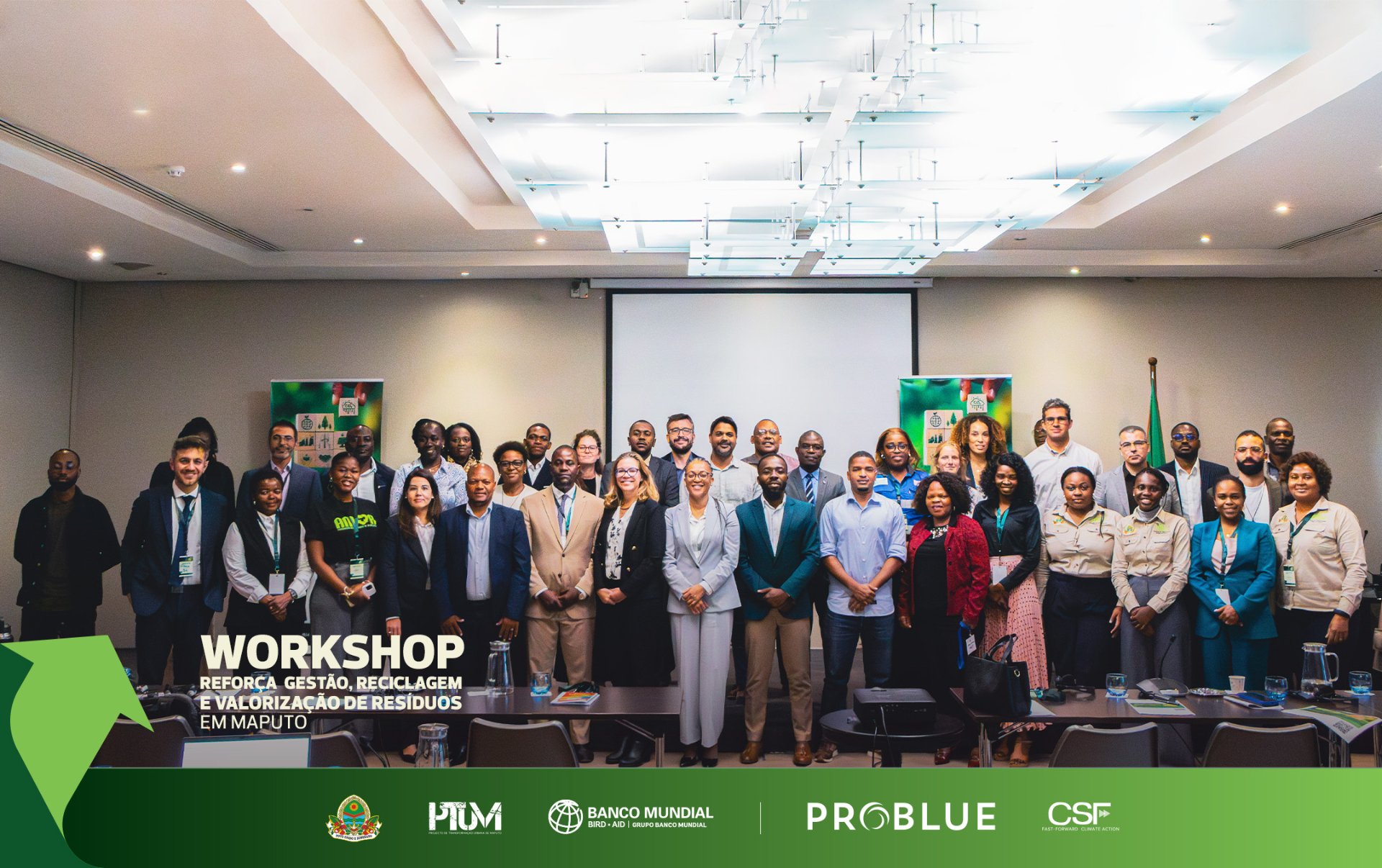
The World Bank, through the PROBLUE initiative and the Maputo Urban Transformation Project (PTUM), promoted this week in Maputo the workshop “Strengthening Waste Management, Recycling and Recovery”, bringing together the Municipal Council of Maputo, the National Directorate for the Environment, the IFC, international cooperation agencies and organizations in the waste sector, among which the Mozambican Association of Recycling (AMOR), invited to present its plan for the city to present “From Waste to Resource: A Plan for Maputo”, highlighting three concrete proposals to close the cycle of waste in the city.
Throughout the day, AMOR presented “From Waste to Resource: A Plan for Maputo”, highlighting three proposals to be developed with the partners present: a simulation of waste flows for Maputo and Matola, with the World Bank and IFC, to support more assertive investment decisions; the operationalisation of Kolekt Exchange Certificates to make TAE work in practice, channelling revenue directly to waste pickers and recyclers; and the expansion of segregated collection with waste pickers from the association’s Ecopoint network, approach already underway and which has shown higher volumes collected with fewer resources than traditional collection.
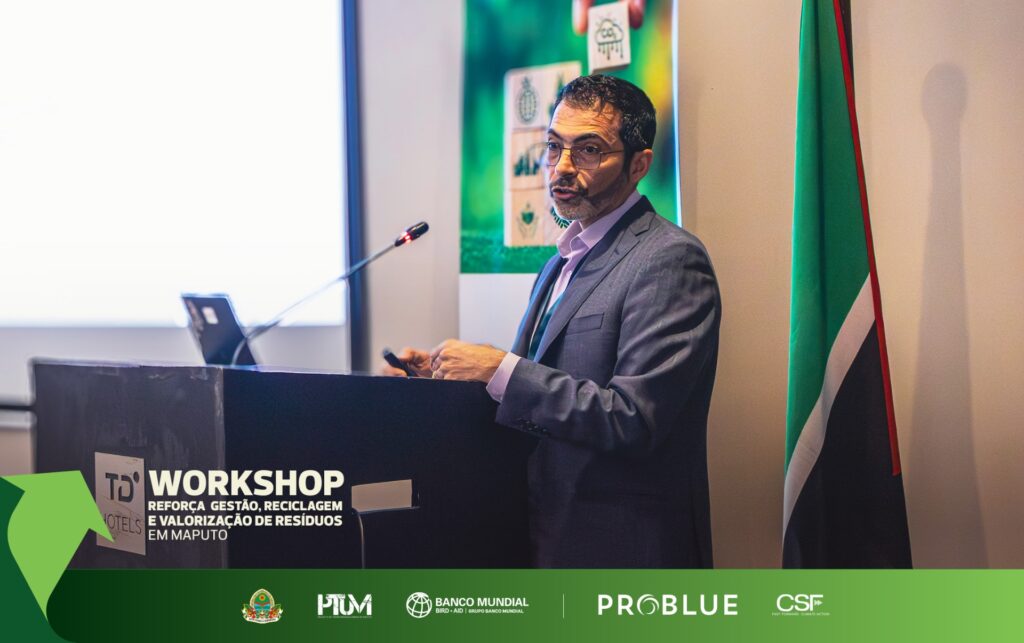
The opening session was led by the Maputo City Council’s Councillor for Finance and PTUM team leader at the World Bank, Emily Owen, who put waste management as a priority for the modernization of the city. Followed by technical presentations from the World Bank on waste management infrastructure and on the use of artificial intelligence, waste surveys and GIS mapping to identify waste producers and guide producer responsibility policies.
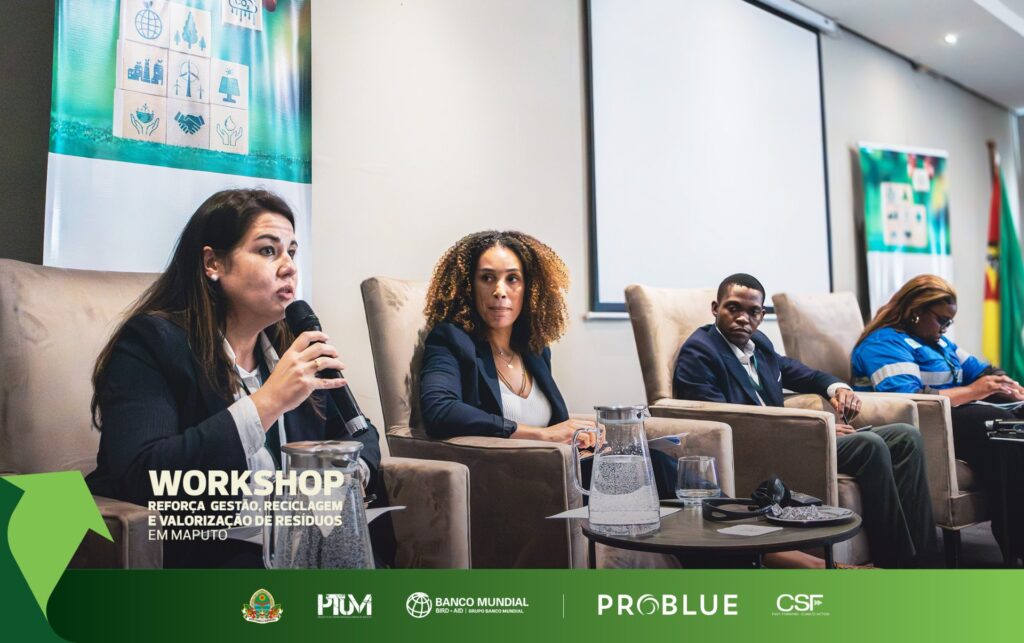
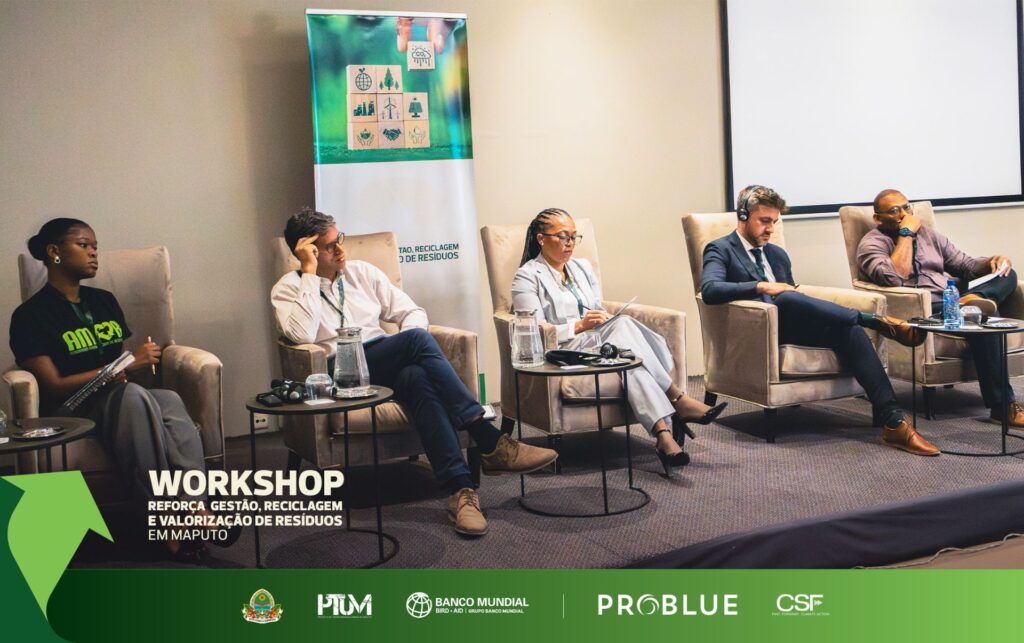
The high point of the morning was the ministerial speech by the head of the Department of Contributions and Environmental Information of the National Directorate of the Environment, Hortência Matsinhe, on the state of the Environmental Tax on Packaging (TAE) and the path to a national framework for implementing Extended Producer Responsibility. In the session dedicated to the plastic recycling industry in Mozambique, AMOR shared the panel with the Maputo Municipal Council and Topack Moçambique, discussing the challenges and opportunities of the value chain of recycling, from waste recovery to the final market.
The afternoon of the workshop was dedicated to financing the sector, with interventions by the municipal director of Environment and Sanitation of Maputo on waste management at the city level, and the NUCA Program on urban climate investments linked to methane reduction in waste management. This was followed by a round table between investors and development finance institutions, including the IFC, the Italian Cooperation Agency (AICS), the Japanese International Cooperation Agency (JICA), EnviroServ and Sombra Matsinhe, dedicated to discussing the financing of Maputo’s waste transition.
The meeting ended with a joint message from the Maputo City Council and the World Bank on the roadmap to be followed, reaffirming the commitment to deepen, in the coming weeks, the dialogue between public power, international funders and organisations already working on waste management in the field. For AMOR, the workshop represented an opportunity to strengthen partnerships with actors such as the World Bank, the Maputo Municipal Council, the IFC and sector companies like Topack, on the way to transform waste into a resource in the city of Maputo.